
Hi,
Thanks for stopping by. My pen name is Mina. Welcome to my blog.
I’m Romanian by birth and a nomad at heart. I have lived in Europe for a few years, studying and working in the UK, Spain, France, Portugal, and Malta, while travelling to many other countries (50+ worldwide, and still counting).
In 2023, I travelled for 1 year across Central and South America and then settled in my native country, Romania.
My hope with TheNextEpicTrip.com is to become your go-to blog for the best insights on travelling and living in Romania. You can read more about this blog here. Enjoy it, and don’t forget to leave your feedback in the comments box down below.
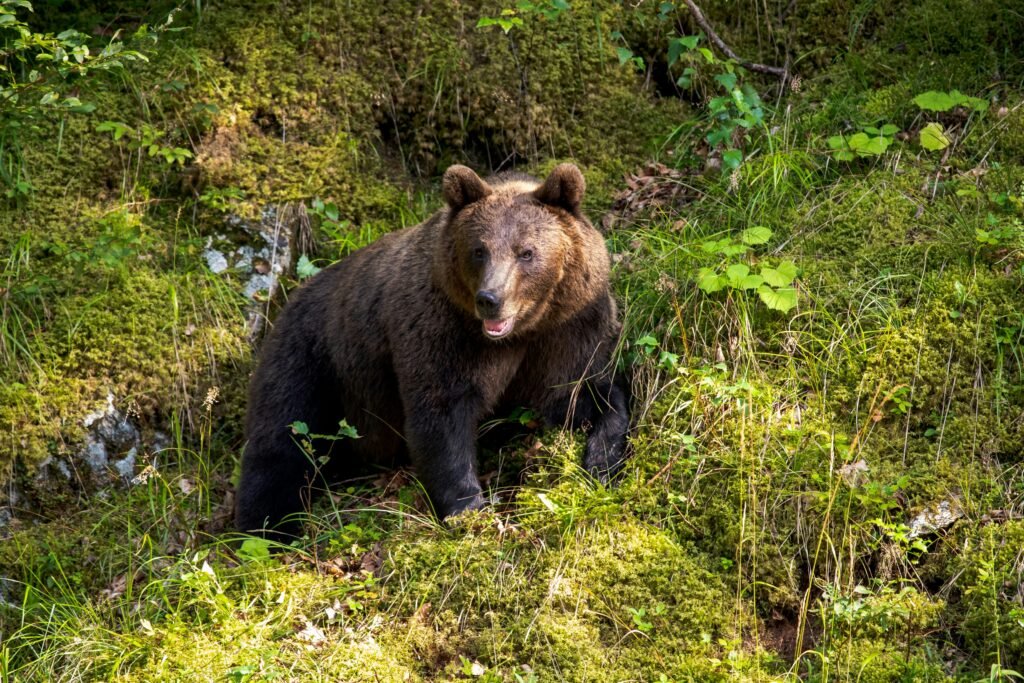
Romania is home to 13,000 brown bears
Romania is home to the largest brown bear population in Europe (excluding Russia). Approximately 13,000 brown bears live in the Carpathian Mountains.
Given this high number, bear encounters have become common in Romania. Both locals and international tourists have spotted brown bears. Perhaps the most popular bear encounters take place on the Transfăgărășan Road. The so-called bear beggars can be seen all the time on this route. It all started when people fed some of them for a few pictures. Now, the bear beggars don’t fear humans anymore and practically live by the road. I also saw one as I was passing by.
As expected, over the years, many accidents have happened, and locals and tourists have been attacked by bear beggars they tried to feed. Now, it’s prohibited to feed bears, and one can get fined if the police catch you doing it. The fine is anywhere between € 2000 and € 6000. It has been substantially increased lately to discourage this practice.
You must understand that by feeding them, you encourage a behaviour that’s not natural in a bear. Bears should live in the forest and hunt their prey. Bears should not be fed along the road by humans because they lose their instincts, which makes them easy targets when they return to the wild.
If you visit the Transfăgărășan Road on your trip to Romania, please do it with caution and respect for the wildlife you will encounter along the road. Be careful when you come across bear beggars, and under no circumstances try to get too close or feed them. Only take pictures if it is safe to do so (both for you and the animal) and don’t encourage the trend where people feed wild animals for pictures.
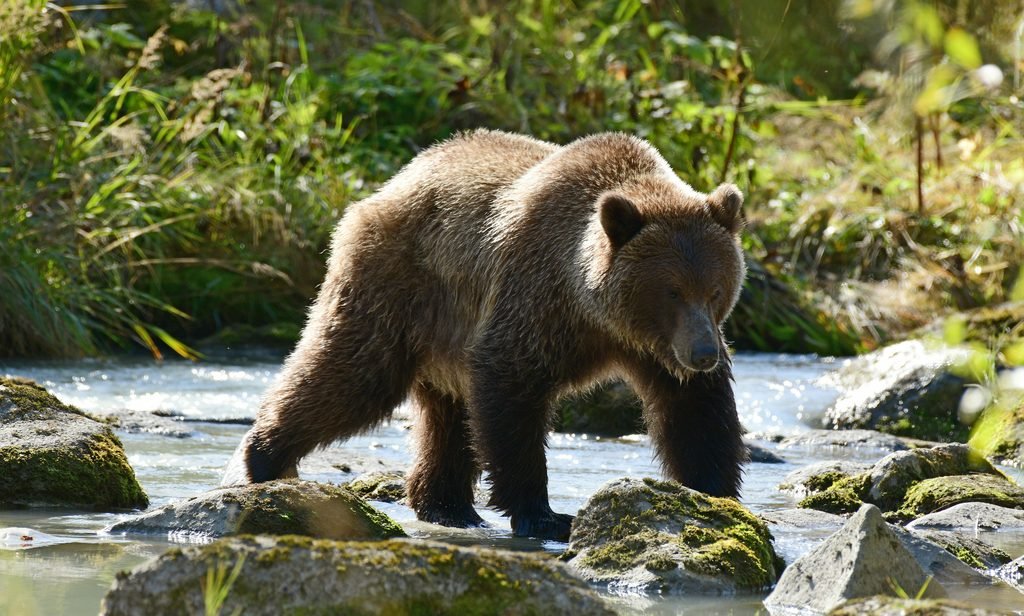
But still, can you connect with the Romanian wildlife sustainably?
Of course, you can, and this is what I will explain next.
Many international tourists visiting Romania have become interested in bear-spotting activities lately. It is a recurring conversation topic in my private Facebook group. That’s why I decided to write this blog post and explain, to the best of my knowledge, what your best options are for ethical bear-spotting activities in Romania.
I believe it is in our interest to promote sustainable tourism. This would benefit both animals and humans.
Some of the few local structures promoting a sustainable approach to bear spotting activities are the Zarnesti Sanctuary and Travel Carpathia.
What is a sanctuary?
A sanctuary is a place which protects neglected animals that cannot return to their natural habitat. Zarnesti Sanctuary looks after abused bears that have lost their ability to survive on their own in the wild.
Did you know that Zarnesti Sanctuary is the biggest sanctuary of brown bears in the world?
How to spot a real sanctuary from a fake one?
I put together some simple rules to help you make a difference between fake sanctuaries and real ones.
-In a sanctuary, you will never be allowed to touch, feed or take pictures with the bears
-You will never witness shows that involve animals, similar to an animal circus
-Animals have access to a vast space, and they can hide from humans if they like to
-There is a timeframe you can visit the sanctuary, and the visit is always organised with a guide to respect the animals’ schedule for resting and feeding
-A true sanctuary will never breed bears. The space is designed for animals which can’t be released into the wild. The only bear cubs you will see should be rescued orphans
The focus in a sanctuary is on education. You will learn about the bears’ stories, how they ended up at the sanctuary and why it is important to respect certain boundaries.
Ethical bear spotting activities in their natural habitat
After some research, I came across Travel Carpathia, an initiative started by Foundation Conservation Carpathia. It focuses on the conservation and restoration of the natural Carpathian ecosystem for the benefit of local fauna and flora and the local economy.
Travel Carpathia offers guided and educational tours for people who want to see bears in their natural habitat. Their emphasis is on the ethical aspect of such activities, which are meant to support the local economy and protect the animals while educating the visitors.
If you look online, of course you will find many other bear tours advertised. My advice is to choose wisely and always reserve the right to say no to a bear-related activity that doesn’t seem right to you.
Foundation Conservation Carpathia is supported by The European Nature Trust, a UK-based charity promoting sustainable tourism activities while supporting the local economy.
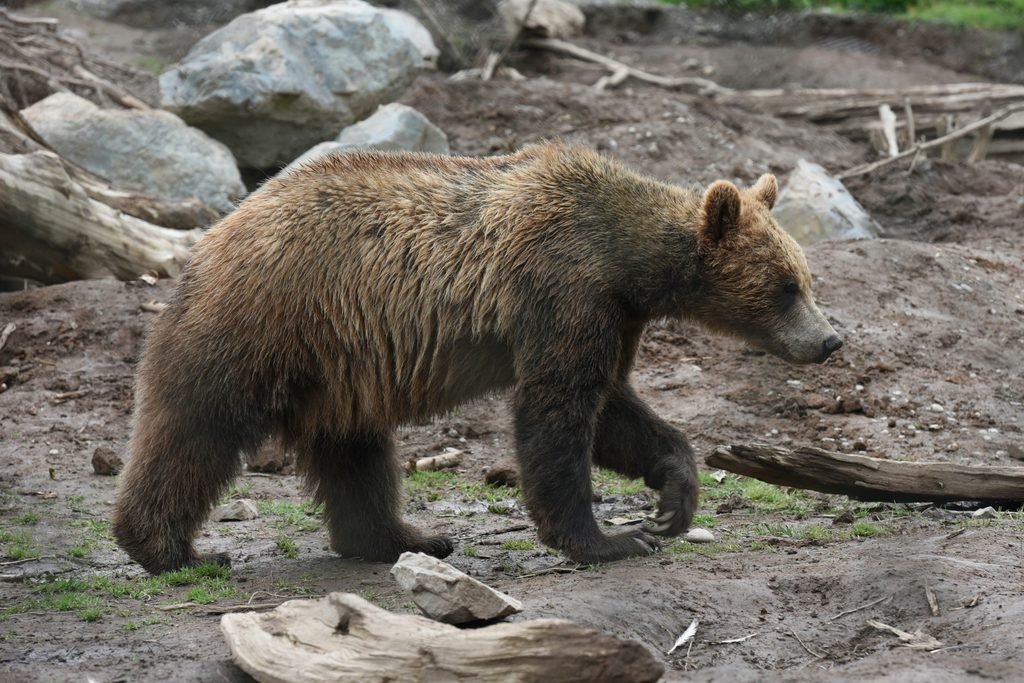
How to identify real ethical bear-spotting activities?
Research the company/guide you will go on tour with. Check who supports them. The more they are backed up by reputable charities like Nature Trust, the greater the chances are you support a real, ethical activity.
A true ethical tour guide will explain the best way to spot the bears with minimum discomfort for them. Tour guides should also give clear instructions on what to wear on the day to stay safe and prepare you for any emergency. If they try to suggest activities that go against your beliefs, you should politely refuse to do them.
Ethical bear-spotting activities are a shared responsibility, and we all have to play our part. Do plenty of research before booking a tour (whether it is to visit a sanctuary or go on a bear-watching tour in the mountains.
If you notice something wrong during the tour, do report it. You can always call 112 and ask them to transfer you to the Mountain Gendarmerie and the Animal Protection Police.
In conclusion,
We should all play our part. Prioritising the animals’ natural behaviours and following strict habitat boundaries should be a priority. Ethical bear-watching activities in Romania can benefit everyone if they are done with the animals’ needs in mind first, while not ignoring the economic benefits this can bring to local communities.
How often do you consider ethics when booking an animal-related activity on your trips?